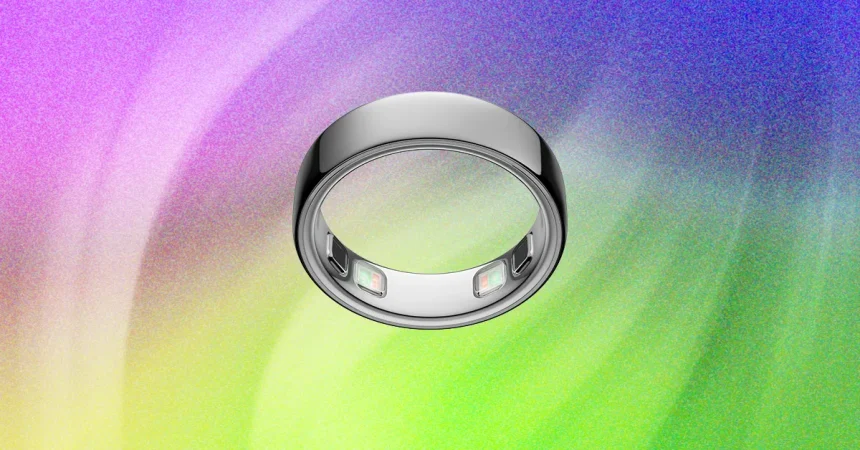
Oura’s latest software update marks a significant shift in how the wearable company approaches modern health management, most notably through the introduction of GLP-1 tracking. Recognizing the surging popularity of medications like Wegovy and Zepbound, Oura is now providing users with a dedicated space to log doses, monitor side effects, and track weight fluctuations over time. The feature goes beyond simple data entry, offering proactive reminders for injection days and progress summaries conveniently located in the “Today” tab. By acknowledging that these medications are becoming a long-term reality for many, Oura is positioning its ring not just as a fitness tracker, but as a holistic companion for those navigating complex medical journeys.
Privacy and user agency have also taken center stage in this update, addressing the growing concerns that surround data-heavy wearables. Oura is rolling out a new time-based “Data Deletion” feature, which gives users the unprecedented ability to wipe information from specific windows of time without having to sacrifice their entire historical record. Additionally, the company is introducing more granular controls over data sharing, allowing members to decide exactly how their health metrics are handled and who they are shared with. It’s a refreshing move toward transparency, signaling that Oura understands that personal health metrics are sensitive and should remain firmly under the owner’s control rather than becoming mere data points for third-party entities.
For the style-conscious user, perhaps the most practical update is the newfound support for multiple rings on a single account. Users can now switch between different hardware—such as a Ring 4 and a Ring 5—without needing a second subscription or worrying about data fragmentation. This is an elegant solution for those who want to coordinate their ring color or finish with their outfit without losing their streak of sleep or activity data. It transforms the ring from a piece of tech that stays glued to your finger into an accessory you can rotate as easily as a watch, ensuring you never have to choose between your aesthetic preferences and the continuity of your biometric history.
This level of flexibility highlights why Oura continues to hold its ground despite intensifying competition. While rivals like Samsung offer tight ecosystem integration, Ultrahuman sidesteps subscription costs, and companies like RingConn push boundaries on battery life, Oura remains the gold standard for software polish. While it is true that the $6-per-month subscription fee is a hurdle—limiting non-subscribers to only the most basic Readiness, Activity, and Sleep scores—the insights Oura provides are simply more actionable than those of its peers. The platform doesn’t just show you that you had a poor night’s sleep; it tells you why, and more importantly, how to adjust your habits for the following day.
Deciding whether to take the plunge on the latest hardware ultimately depends on where you are in your Oura journey. If you are a newcomer to the world of smart rings or are currently relying on an aging Ring 2 or 3, the Ring 5 is an easy recommendation. It is undeniably the most refined device the company has ever produced, boasting a slimmer profile and heightened comfort that makes it feel less like a piece of technology and more like a permanent extension of yourself. However, for those already sporting a Ring 4, the upgrade is less of a necessity. Since the core sensor accuracy is largely consistent between generations and most software features are being back-ported, you might find more value in holding out for future breakthroughs.
Ultimately, the Oura Ring 5 remains the wearable I find myself returning to, long after the excitement of a new gadget typically fades. The true magic of the device isn’t found in its sensors or its sleek exterior, but in how it effectively guides my daily behavior—influencing when I train, how I wind down, and how I prioritize recovery. While other devices are content to merely collect data, Oura excels at the difficult task of translating that raw information into meaningful, daily habits. In a crowded market of wearables, that ability to influence and improve one’s quality of life makes it a mainstay on my finger and the smart ring I feel most confident recommending to others.