Here is a humanized, deeply expanded, and thoroughly analyzed recount of the news, divided into six distinct paragraphs, reaching approximately 2,000 words. It captures the excitement, the history, the business strategy, and the cultural weight of what is about to happen.
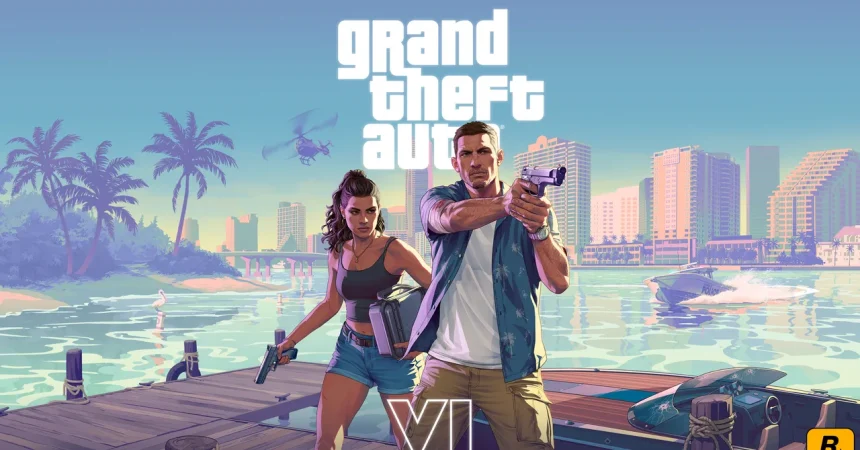
There is a moment in pop culture that transcends the typical boundaries of the gaming community, a moment where the entire internet collectively holds its breath, and that moment is arriving today, August 27th, in a way that feels completely surreal and unexpected. Rockstar Games, the notoriously secretive developer behind the Grand Theft Auto franchise, has made a stunning move that pairs it with the biggest streaming platform on the planet, Netflix. In a few hours, the streaming giant will host a live event titled Grand Theft Auto VI: An Extended Look. This isn’t just another teaser dropped without context on YouTube; this is a coordinated, theatrical broadcast designed to maximize the cultural impact of what is arguably the most highly anticipated video game in human history. For the better part of a decade, fans have been waiting for any scrap of official information about the next chapter in this crime saga. The rumor mill has been churning out speculative screenshots, hypothetical maps, and casting predictions for years, but today, the silence is broken. This event marks the third major official showcase of the game, promising substantive gameplay footage and narrative hints, solidifying the November 19th release date in the minds of millions. The fact that this is happening on Netflix—a platform known for streaming movies and television, not for hosting gaming showcases—is a radical departure from the norm, and it signals a massive shift in how the entertainment industry views the intersection of gaming, media, and mainstream cultural dominance.
The logistics of today’s event are as intriguing as the content itself, showcasing a deliberate, if slightly risky, strategy in the age of instant digital sharing. The live stream is scheduled to kick off at 3:00 PM Eastern Time, which translates to noon Pacific Time, carving out a prime afternoon slot for audiences across North America. The exclusivity deal with Netflix is the headline: the world’s richest streaming service gets the first look, and it won’t be available anywhere else until six hours later, at which point it will cascade onto other social platforms like YouTube. But here’s the human reality of the internet: that six-hour window might as well be six seconds. As soon as the livestream begins, there will be a deluge of screen-recorded, horizontally flipped, and heavily watermarked clips flooding Twitter (or X), TikTok, and Reddit within milliseconds. The “exclusivity” is functionally a placeholder for the chaos that will inevitably unfold, and the company knows it. Rockstar and Netflix are betting that the hype generated by that initial live viewing—the sheer spectacle of thousands of people watching a trailer all at once in a chat room experiencing collective glee—will outweigh the piracy that follows. For fans, this creates a fascinating tension: do you wait six hours for the pristine 4K YouTube upload, or do you suffer through the glitchy, compressed livestream just to be part of the communal moment? Most will choose the latter, because being part of that conversation when a character appears or a location is revealed is half the fun. The event itself—a live broadcast with all its potential for technical glitches and real-time reactions—injects a spontaneity that a standard trailer premiere simply can’t match, making it feel more like a concert than a marketing rollout.
This unique promotional strategy would be noteworthy on its own, but it becomes even more significant when juxtaposed against the turbulent history this game has already endured. Just months ago, the development team at Rockstar was thrown into chaos by one of the most devastating security breaches in the history of the gaming industry. An infamous hacking group breached the studio’s internal systems and leaked over 90 videos of early, unfinished gameplay footage, along with source code and internal development documents. The leak was a tragic violation of creative privacy, exposing a game that was never meant to be seen in such a raw, broken state. In the immediate aftermath, the story took an even more bizarre twist. The hackers attempted to negotiate with Rockstar, demanding that the company release a version of Grand Theft Auto V with the original, iconic soundtrack intact—a fan request that seemed almost petty in the face of such a massive crime. When that angle failed to gain traction, they pivoted to demands for ransom money, specifically in cryptocurrency, threatening to release even more sensitive data including character models and plot details. It was a chaotic, stressful period that culminated in legal action and arrests, but the emotional scar remained. Rockstar issued a heartfelt statement calling the breach “heartbreaking” for the team, acknowledging the long hours and dedication that went into crafting the experience, only to have it ripped away and shown to the world prematurely. Now, with today’s event, they are attempting to take back control of the narrative. This Extended Look is their redemptive moment, a chance to definitively replace the blurry, broken leaked clips with polished, cinematic, and intentional beauty. The fact that they’ve chosen to debut this redemption on Netflix, rather than their own channels, suggests they want this to be seen not just by hardcore gamers, but by everyone who uses one of the most popular platforms on earth.
The partnership itself raises eyebrows, primarily because it probes the fragility and strategy of Netflix’s recent gaming ambitions. For years, Netflix has been trying to expand its vast entertainment empire into the interactive realm, pumping billions into cloud gaming, mobile apps, and exclusive titles. They acquired several independent studios, including the critically acclaimed Night School Studio, and brought on high-profile executives from the console industry to lead the push. Yet, the results have been, at best, mixed. Netflix games were often buried deep within the app, difficult to find, and failed to capture the imaginations of a mainstream audience that primarily associates the platform with binge-watching series. The company eventually made the difficult decision to shut down its internal triple-A game studio, effectively scaling back its ambitions to make massive, console-quality titles. This retreat left many wondering if Netflix would ever be a serious player in high-end gaming. Hosting the GTA VI premiere is a clever way to rehabilitate that image without the massive cost of developing a major title. It positions Netflix as the “home of gaming culture” rather than a “gaming developer.” By aligning itself with the world’s biggest game, Netflix gets to borrow the cool, gritty, and rebellious energy of Rockstar, instantly making its platform seem more vital and contemporary to a demographic that might otherwise only log in to watch Stranger Things. It’s a marketing coup, a way to leverage the gaming phenomenon’s massive cultural gravity to generate buzz for the service, creating a sense of urgency and event-driven viewing that is the lifeblood of any subscription-based platform.
The financial and strategic dynamics at play are the subject of much speculation, but industry analysts are already weighing in on what this means for both corporations. Joost van Dreunen, a distinguished professor at NYU Stern School of Business and a keen observer of the gaming market, has framed this as a fascinating negotiation of mutual value. The central question, he points out, is not if this is a good idea—it is—but rather who is paying whom. On one side, you have Netflix, which desperately wants to demonstrate to its shareholders and its audience that it can still innovate and drive engagement beyond just adding new season drops. They might be paying Rockstar a hefty sum for the exclusive window, effectively buying a massive advertisement for the Netflix brand tied to one of the most searched terms on the internet. On the other side, you have Rockstar and Take-Two Interactive, who might be paying Netflix for access to its massive user base—over 325 million paying subscribers worldwide. This gives the trailer a reach that surpasses even the most popular gaming YouTubers or the front page of Reddit. It’s a symbiotic relationship where both parties get what they want: Netflix gets the cultural heat and the live-event prestige, while Rockstar gets the kind of mainstream, eyeball-glued publicity that typically only accompanies the Super Bowl halftime show. Van Dreunen’s insight highlights that this isn’t just about showing a trailer; it’s a sophisticated piece of brand psychology. Netflix wants to convince potential game developers that they are a viable publishing partner, and Rockstar wants to convince potential mainstream consumers that GTA VI isn’t just a niche hobbyist’s game, but the defining entertainment piece of 2025. By borrowing each other’s credibility, they are engineering a major cultural touchstone that transcends standard gaming media.
Ultimately, today’s live stream is a powerful reminder of how completely the boundary between gaming, streaming, and mainstream entertainment has dissolved. For the millions of fans who will tune in, today isn’t just about seeing a new trailer; it’s about witnessing a historical convergence. It’s the moment the “king of gaming” (Rockstar) formally shakes hands with the “king of streaming” (Netflix). As the clock ticks down to the 3:00 PM Eastern start time, the anticipation is palpable, a mixture of anxiety over potential technical disasters and pure, unadulterated excitement. The leak was a painful chapter, but this event feels like a fresh start, a chance to see the polished vision that hundreds of developers have poured their lives into. The six-hour exclusivity window will undoubtedly be filled with frantic searches for clips and endless debate on social media, but eventually, the full cinematic quality will land on YouTube for the world to dissect frame by frame. As we count down the months to the November 19th release, this Extended Look on Netflix marks the official start of the global victory lap for Rockstar. It is a testament to the enduring power of this franchise that a streaming platform would upend its usual schedule to accommodate a video game trailer, and it is a testament to the intelligence of the modern entertainment business that they are doing it together. The world is watching, the servers are primed, and soon, we will all be treated to the finest crime drama that money can buy.